This capability yields enormous dividends when it comes to driving data used for analytics and monitoring. Convenience factors multiply as devices automatically monitor things that were troublesome to do before, such as real-time heart rates, like the FitBit Charge HR, or Surge bands do. As we are able to track data from these devices, we can use them to make better decisions based on real data rather than point-in-time snapshots of health. This capability is transforming the health insurance industry's capability to provide specialized offerings to monitor trends in health, and adjust their insurance programs for corporate partners who take advantage of the technology to drive consumer behavior.
The thought is that if you are wearing a device that tracks and monitors your activity, you will be more likely to be active, and aware of your general health. This reduces overall costs to the insurance companies to provide insurance, and it reduces costs to the employers for providing health care options. However, these IOT devices do not just do health-oriented options. They can be used to determine power outputs of biologic processes, electronically monitor and communicate status of devices through distributed networks, and they can be used across vast distances to take data metrics on complex weather patterns to improve forecasting models. The basis of the wearable technology and IOT is that communication between smart sensors can be used to analyze and automatically react to stimuli, record and process events, and enable smarter decisions to be made.
Currently we hear a lot of buzz about cloud computing. The IOT and wearable or other modular-based sensor technology will be known as the "Fog."
Other excellent articles on IOT and wearables can be found here:
http://www.mouser.com/applications/article-iot-wearable-devices/
http://www.infoworld.com/article/2614798/mobile-technology/how-wearable-tech-will-fuel-the-internet-of-things.html
An excellent examples of the depth of data provided by wearable tech in fitness trackers are represented below in a product review blog by DC Rainmaker:

My personal favorite fitness tracker: The Garmin VivoActive
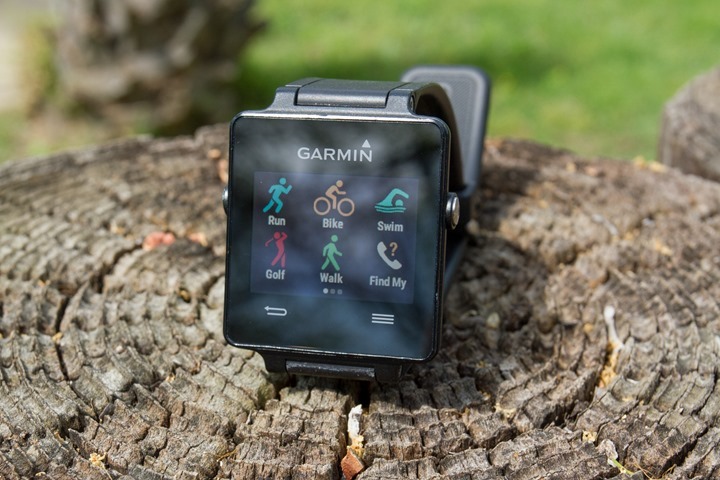
http://www.dcrainmaker.com/2015/04/garmin-vivoactive-in-depth-review.html
Nicholas Karels is an expert within IBM Corporation on IT Innovation, and has consulted for leading companies IT in the healthcare industry. He has led patent developments in technology for cooperative communication networks, smart-interface devices, and other innovative concepts.

Nick, this is interesting information about how we can actively contribute to our overall health. The attractive piece for me is the wristband device. I would be willing to use one of those IOT's if I could get the wrist or arm band.
ReplyDeleteHi Patt! There are a number of these out already. You can sync a number of the bands with your phone apps via bluetooth, and not have a bulky watch-like device to wear. I, however, like the vivoactive, but I own a Garmin Fenix3. It was bulky at first, but it quickly grew on me. Smaller than a Diesel brand watch!
ReplyDelete